

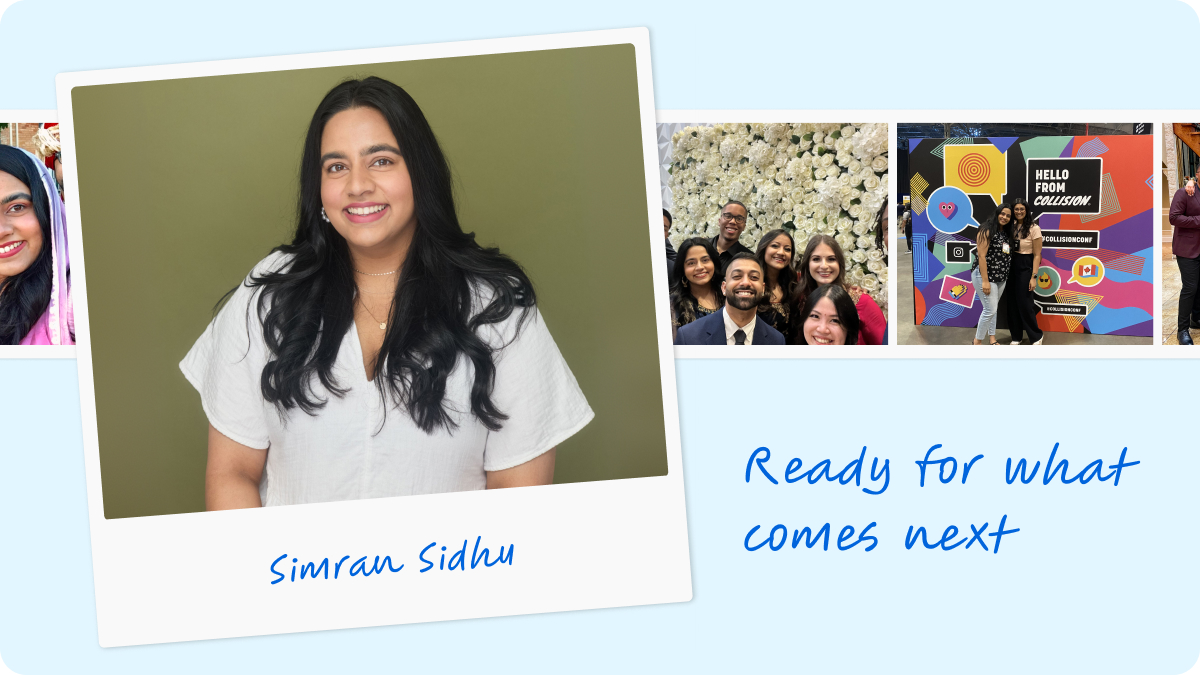
"You cannot physically eat all of this by yourself," Simran Sidhu's mom told her once, pointing to a loaf of bread on her counter. It's a small observation, but one that she feels compelled to share as she sits down with Willful to reflect on legacy. The flights priced cheaper for two. The restaurant tables that can only be reserved in pairs. The rent she covers alone.
Most people arrive at estate planning through conventional milestones: a marriage, a child, a mortgage. Simran's path is different. Without a partner or children as a given, she's grappling with the realization that her legacy — and what she leaves behind — could be entirely up to her to define.
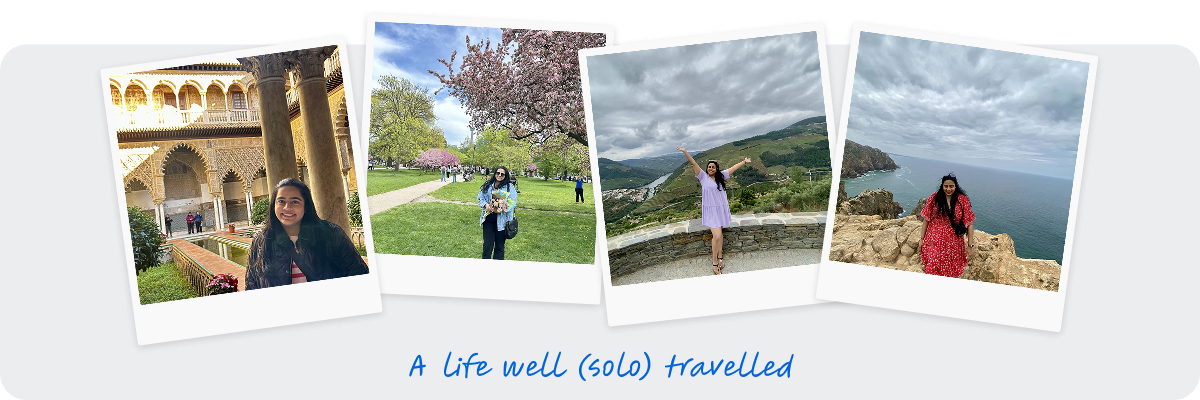
She's built an exceptional life almost entirely on her own. She's financially independent. She's a homeowner. She runs a consulting practice working with leading tech companies. And when she needs a break, she travels — at least a few times a year. Her career has always come first. "All my wins come from work," she says. "My dating life has just stayed so flat."

Estate planning isn’t just for married couples or parents.
Own your legacy.
Start your will today →
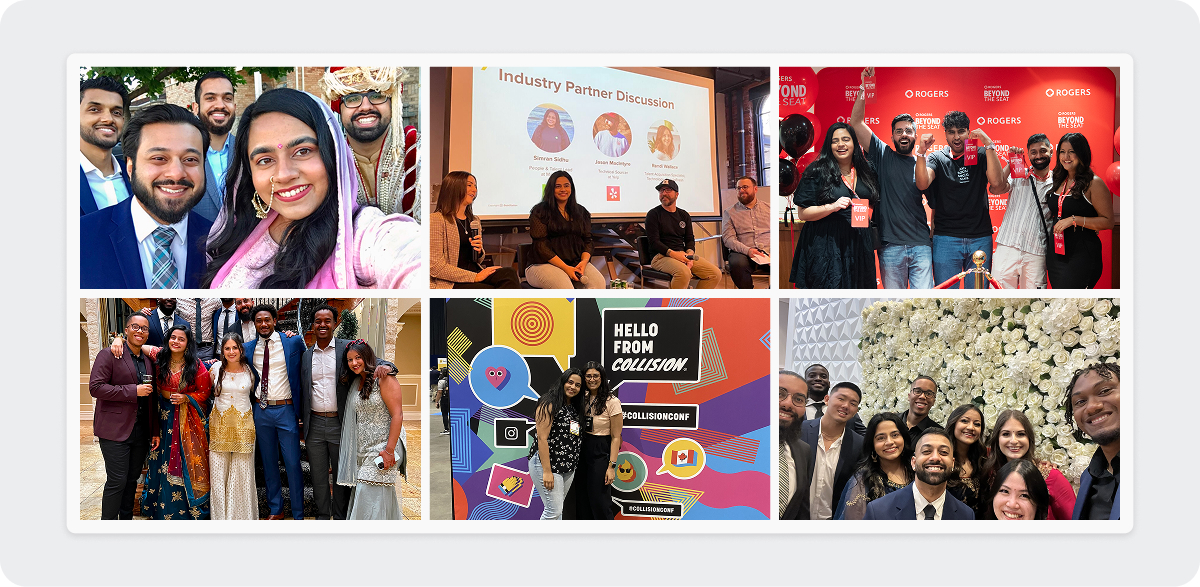
"I always have friends to call," she says. "But for milestones, holidays — who am I spending it with?" It's a feeling that has become all too common as the rate of singlehood rises worldwide. Simran pours herself into her relationships, leaning on a close group of friends from university and seeing family often. And yet, the question of who inherits all of it — the savings, the condo, the life — is one she's only recently started to sit with.
When the usual answers about who inherits what simply don't apply, she has started making those decisions herself, deliberately and on her own timeline: mapping what she'd leave behind, naming the people she trusts, and refusing to leave something she's worked this hard for to chance. A nephew, perhaps, or the family members she's closest to.
For someone who has never waited for convention to tell her what to do next, estate planning is no different.
Your legacy is entirely up to you to define.
Be ready for what comes next.
Start your will today →
Interview and story by Sarah Bartnicka