


When David Lee left the southeastern Chinese province of Guangdong at 17, he was leaving behind the only place he had called home to realize his dream of studying in Canada. His family stayed, and so did his friends. He touched down in Vancouver with nothing more than a suitcase and a student visa—no network, no financial cushion, and no clear plan for what would come after. Building a life would require discipline and persistence, but it offered opportunities that weren't available in China at the time.

It's the kind of impossible math you can only make sense of by understanding the philosophy that drives David's financial success: he treats managing money with the same focus and enjoyment the rest of us might find in a hobby, or a game. In his mind, saving brings satisfaction, and spending feels like failure. "I don't play video games," Lee tells Willful from his Vancouver home. "For me, making money is the only game."

Discipline builds wealth.
Planning protects it.
Create your legal will online →
More than a decade ago, David had just graduated from Simon Fraser University with an economics degree and a daughter on the way. His education felt worthless as the rejections for 'good jobs' piled up. Lacking experience, he took a job stocking produce at T&T Supermarket for $10.25 an hour, shifting his focus to making the most of the situation he was in. After learning that the security guards he worked with were earning $2 more per hour, he got certified in a week. Two years later, he leveraged that position to land a job at a nearby casino, where he made $15 an hour.
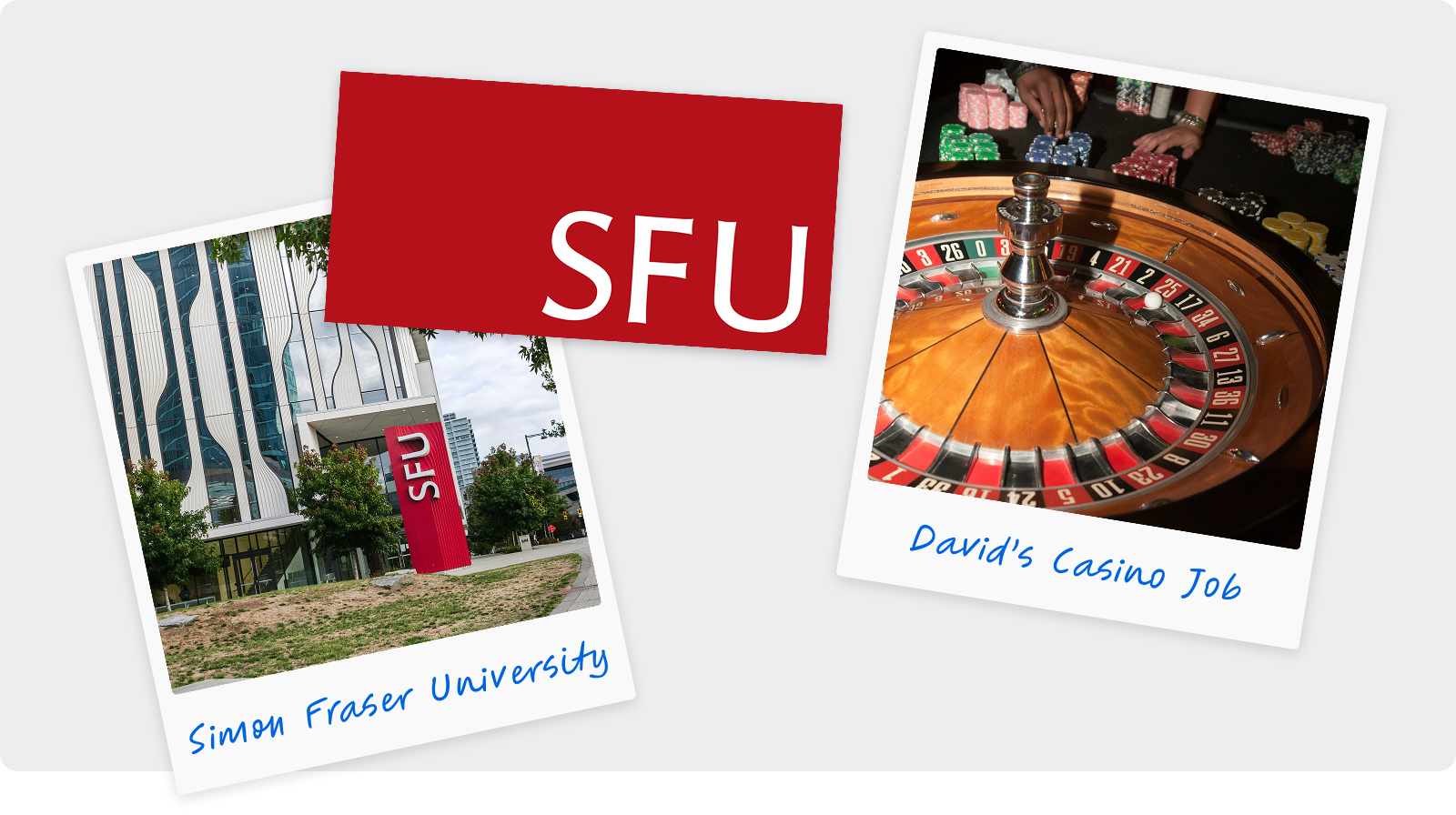
Every move was driven by a relentless need to provide for his family. "You graduate, but then you have to feed your family. That pushes you. It's like an intangible force behind you," he says. He pushed forward, continuously looking for ways to earn additional income on the side. After a colleague paid him $30 to help file a personal tax return, something clicked: he pursued the training required to open his own practice, and today, he serves 400 personal clients and 70 corporations.
Over time, his motivation compounded into opportunity, while his financial discipline compounded into returns in the market. While he no longer fears being able to provide for his family, he now worries about whether his children will embrace the same work ethic that helped him build a legacy worth protecting.
If you built it from the ground up, don’t leave its future to chance.
Start your will today →He still picks up shifts at the casino, though he says it's not for the money. "I wake at 4:30 a.m., walk to work, scan IDs, and patrol. I make twice as much at home, but it keeps me healthy and social."
Interview and story by Sarah Bartnicka